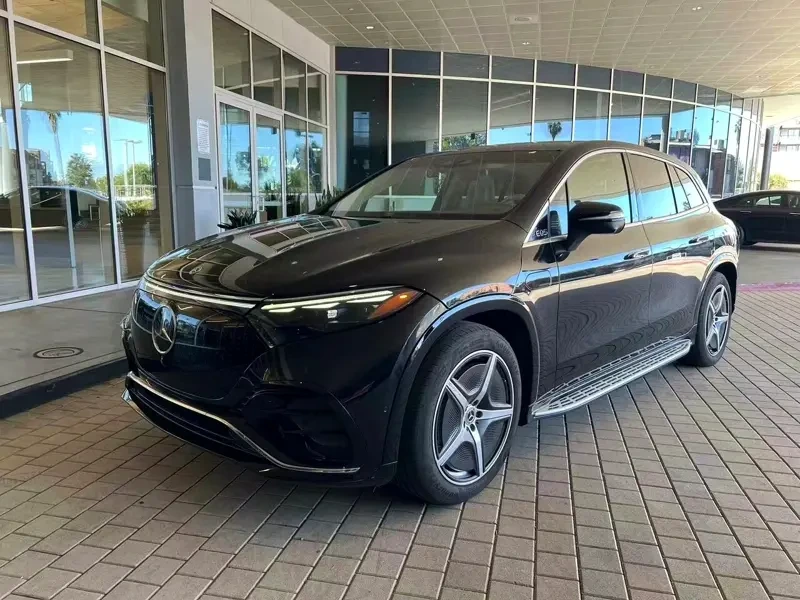
Leasing is a popular option for many, as it offers the chance to drive a new vehicle every few years at a relatively manageable cost. However, certain issues often only surface when it comes time to return the car. Mr. Jin, a Chinese resident in Southern California, leased a Mercedes-Benz electric SUV for nearly three years. As the end of his lease approached, he discovered that the buyout price exceeded $66,000, while the vehicle’s market value—based on offers from used-car buyers—was only around $42,000. If he chose simply to return the vehicle without buying it out, he would likely face additional charges for tire replacement and other lease-end fees. Another individual, Ms. Zhu, also a Chinese resident, sought to return her electric vehicle early due to charging difficulties; even though she was willing to lease another car from the same dealership, she was told she would still be required to pay for the remaining months of her lease. Both individuals have come to realize that leasing an electric vehicle may not be as cost-effective as they had initially imagined.
Documentation provided by Mr. Jin shows a buyout price of $66,690.09 for his Mercedes-Benz electric SUV (left), while a real-time valuation from Kelley Blue Book suggests a market value of $42,199 (right)—a difference of approximately $24,491. (Photo provided by Mr. Jin)
Mr. Jin explained that he has been leasing a 2023 Mercedes-Benz EQS electric SUV for two years and nine months. His three-year lease agreement allowed for a total of 30,000 miles, yet he has only driven about 20,000 miles. Despite staying well under the mileage limit and taking good care of the vehicle, he now faces unexpected expenses related to tire wear as the lease-end date approaches.
Tire Wear and Body Scratches Lead to Added Costs
Mr. Jin noted that an inspection last year revealed the tire tread depth had worn down to about 3 millimeters—potentially exceeding the allowable wear limit—meaning he would likely need to replace all four tires before returning the vehicle. He found that a dealership would charge approximately $1,800 for the replacements, while an independent auto shop would charge around $1,500. He is currently verifying the required tire specifications, concerned that if he replaces them himself, the new tires might not meet the dealership’s inspection standards for lease returns. Mr. Jin noted that if he simply returns the vehicle without purchasing or leasing another one, he would face a return fee of over $500—amounting to more than $600 after taxes. If he were also required to replace all four tires, the total cost—including the return fee—could exceed $2,000, not even accounting for other potential wear-and-tear charges.
He also explored the option of buying out the lease and then reselling the vehicle, but found the price gap to be even wider. According to a screenshot he provided, the lease buyout price is $66,690.09, while the instant cash offer from Kelley Blue Book is only $42,199—a difference of approximately $24,491. This significant gap makes a buyout-and-resale strategy unattractive.
For Mr. Jin, neither option is ideal: the buyout price exceeds the current market value, while returning the vehicle incurs additional reconditioning and related fees. He also inquired whether he might receive any incentives by leasing or purchasing another vehicle from the same brand. He was told that while a $500 incentive might be available, it would not cover wear-and-tear charges; in other words, switching to a new vehicle does not exempt him from the costs associated with the old one.
Meanwhile, Ms. Zhu, a Chinese resident of Southern California, sought to terminate her lease early due to recurring charging issues. She explained that her electric vehicle frequently experienced charging problems, yet each time she brought it in for service, the only action taken was replacing the charging connector—a situation that has left her increasingly unwilling to continue using the car.
Early Lease Termination Still Carries Costs
With several months remaining on her lease, Ms. Zhu asked if she could return the vehicle early, expressing her willingness to lease a different model. She had hoped that her continued commitment to leasing might allow for a negotiated early return; however, she was informed that she would still be responsible for the payments for the remaining months, and that no incentives would be offered for leasing a replacement vehicle.
Other electric vehicle owners have also faced unexpected charges upon returning their leased cars. According to a report by the automotive media outlet Motor1, a woman named Hailey, who leased a Tesla Model 3, was charged for repairs—including a damaged front bumper, a dented fender, damaged wheel rims, and a missing rear emblem—upon returning the vehicle. The final bill, as cited in the report, totaled $2,141. She stated that the mileage did not exceed the limit; furthermore, she had the aftermarket window tinting removed before returning the vehicle to avoid any additional charges. For another Model Y she had rented, the 300-yuan vehicle return fee was waived, though she still incurred costs for vehicle damage.
The cost of owning and operating electric vehicles (EVs) has also sparked discussion on the social media platform Xiaohongshu. Some users have described the expenses by saying, “Insurance costs are sky-high, and you end up replacing your tires every year,” lamenting that, beyond insurance premiums, the need for frequent tire replacements has become a significant financial burden. Others have attributed this rapid tire wear to the fact that EVs are heavier than internal combustion engine vehicles due to their batteries—a point that reflects some owners’ concerns regarding the long-term durability of these cars.
发送反馈